


2026 Chevrolet Innovations: How Chevy is Redefining Performance and Technology for Plainfield Drivers
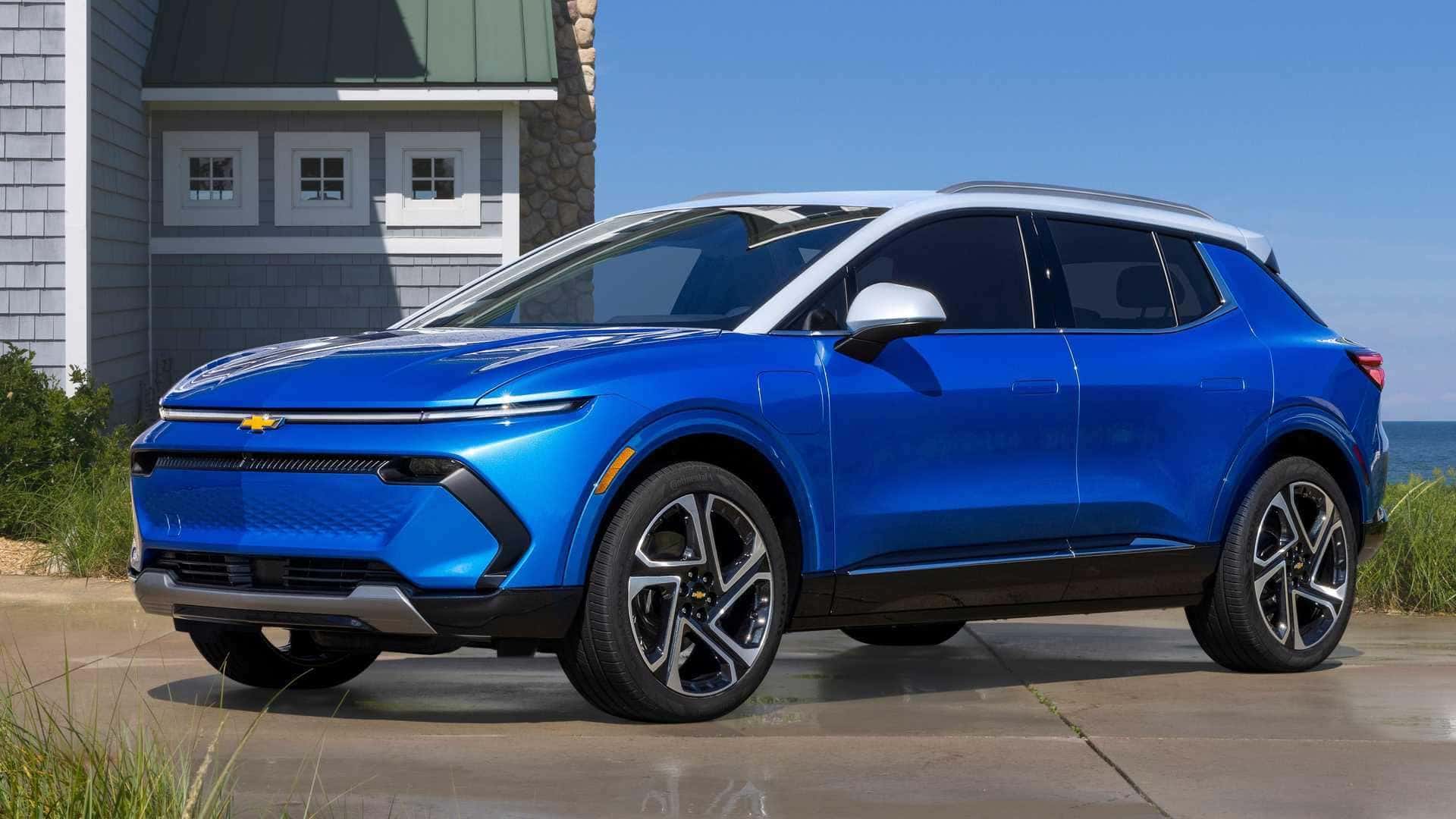
The 2026 Chevrolet lineup represents a decisive step forward for electrification, hybrid performance, advanced driver assistance, and in-car connectivity, shaping how buyers and owners experience capability and daily driving. This article explains what those innovations are, how they work, and why they matter for drivers who prioritize range, towing, safety, and modern infotainment. Readers will learn the core technical approaches Chevrolet uses—like modular battery architecture, hybrid torque integration, and hands-free driver assistance—along with practical benefits for commuting, family life, and local businesses. We identify the models that exemplify each innovation pillar, translate engineering changes into usable advantages for Illinois roads and Plainfield-area needs, and map where owners should focus when comparing trims and options. Sections cover key innovations across the 2026 models lineup; Chevrolet’s electrification strategy and the Ultium platform; Corvette hybrid performance; Silverado capability and trailering tech; the Equinox redesign for EV use; and how ADAS and Super Cruise fit into everyday safety and convenience.
What Are the Key Innovations in the 2026 Chevrolet Models Lineup?
2026 Chevrolet models concentrate innovation into four pillars: electrification through a modular platform, hybrid-driven performance in sports models, advanced safety and hands-free driving, and richer, faster in-car connectivity. These pillars work together by pairing hardware changes—like battery layout and sensor suites—with software-driven features such as OTA updates and advanced driver-assistance algorithms to produce measurable gains in range, responsiveness, and convenience. The immediate benefit for drivers is a blend of improved efficiency, easier long-distance driving, enhanced towing and utility for businesses, and safer daily commutes. Understanding these pillars helps buyers prioritize which models and packages align with their priorities, whether performance, utility, family comfort, or electrified commuting.
Chevrolet’s 2026 focus is distributed across flagship models that each demonstrate one or more pillars, so it’s useful to map models to innovations before drilling into technical detail. The list below outlines the central innovation themes and the representative models that showcase them, making it easier to find the right combination of capability and technology. This mapping sets up deeper sections that follow, which explore Ultium, hybrid Corvette dynamics, Silverado trailering systems, Equinox EV attributes, and ADAS availability.
The primary innovation pillars and their model exemplars include:
- Electrification and modular platforms: Equinox EV, Silverado EV, Blazer EV showcase scalable battery architecture and EV-specific packaging for range and utility.
- Hybrid performance: Corvette E-Ray and related Corvette variants apply electric assist and hybrid torque strategies to boost acceleration and drivability.
- Advanced safety and driver assistance: Super Cruise and expanded ADAS suites enhance highway convenience and active collision avoidance across several models.
- Infotainment and connectivity: Upgraded infotainment systems and OTA update strategies improve user experience and future-proof vehicle features.
These pillars translate to direct benefits for drivers, and the next subsection identifies the specific 2026 models that best demonstrate these technology directions.
Which 2026 Chevrolet Models Showcase Advanced Performance and Technology?
Several 2026 Chevrolet models concentrate technology and performance in focused ways, each serving a distinct buyer need and use case through either electrified powertrains, hybrid systems, or utility-driven capability. The Corvette lineup emphasizes hybrid-assisted performance and chassis tuning for both road and track uses, while the Silverado family splits between traditional ICE capability and a dedicated Silverado EV that leverages Ultium architecture for instant torque and integrated trailering features. The Equinox and Blazer EVs translate Ultium scalability into compact and mid-size crossover packages optimized for daily driving and family use, and Trailblazer and other siblings extend technology into affordable segments. Each model targets a specific combination of range, payload, towing, and driver support so buyers can match features to their lifestyle.
- Corvette E-Ray: Hybrid performance with electric assist for enhanced acceleration and drivability.
- Silverado EV: Ultium-based EV tailored for towing, payload flexibility, and integrated trailering technology.
- Equinox EV: Compact-to-midsize EV focused on daily range and family-friendly connectivity.
- Blazer EV: Sportier crossover EV that balances performance and practicality for varied driving needs.
These model pairings clarify which vehicle types embody Chevrolet’s core innovations and provide a practical starting point for buyers deciding between performance, utility, or efficient commuting.
How Do 2026 Chevrolet Innovations Enhance Driving Experience for Plainfield Drivers?
For Plainfield-area drivers, the 2026 Chevrolet changes deliver tangible gains in everyday scenarios like highway commuting to nearby cities, hauling trailers around local job sites, and managing family errands with minimal range anxiety. Electrification increases usable cabin and storage space through smarter packaging while also reducing operating noise and smoothing power delivery for suburban driving conditions. Hybrid Corvette systems improve midrange acceleration useful for overtaking and merging on interstates, while Silverado’s trailering tech reduces setup time and increases confidence when towing equipment or boats. Local drivers also benefit from improved infotainment and connectivity that integrate smartphones and navigation more fluidly, reducing distraction and making longer trips more predictable.
These local benefits emphasize how technology maps to common regional use-cases, and the following section dives deeply into Chevrolet’s electrification approach—how the Ultium platform works and why its modularity matters for both drivers and fleet users.
How Is Chevrolet Leading Electrification with 2026 EV Technology?
Chevrolet’s electrification strategy centers on a modular battery and motor architecture that scales across vehicle sizes, enabling a broad set of EV models to share common high-voltage systems and software while optimizing packaging for each vehicle’s intended use. The modular approach allows engineers to select battery capacity, motor count, and thermal management suitable to a model’s weight and performance targets, which in turn improves range flexibility, charging behavior, and production efficiency. The practical benefit for buyers is clearer: a model designed on a modular platform can be optimized for either longer range, higher towing capability, or sportier dynamics without reinventing basic systems. From an ownership perspective, this shared architecture simplifies serviceability and parts strategies as more models adopt the same platform.
An introductory list summarizes the Ultium-led benefits buyers can expect across the 2026 EV lineup.
- Scalable range and performance: The platform allows for different battery sizes and motor setups to suit varied priorities.
- Improved charging flexibility: Shared high-voltage architecture supports high-power DC fast charging and consistent behavior across models.
- Production and service efficiency: Common components reduce complexity for maintenance and software support.
These practical platform-level benefits create a predictable ownership experience across Chevrolet’s EVs and hybrids, which leads into specific technical advantages that explain why the approach is effective for diverse driving needs.
What Benefits Does the Ultium Platform Provide for 2026 Chevrolet EVs?
Ultium’s core strengths are modular battery cells and flexible motor configurations, which together let designers distribute weight for better handling and choose energy capacity appropriate to vehicle role and cost targets. The modular battery approach reduces engineering trade-offs by enabling different energy densities and packing strategies without changing cell chemistry for every model. Mechanically, this means improved vehicle balance and the option to prioritize towing or range as needed, while on the software side shared control systems support features like regenerative braking tuning and thermal optimization. For drivers, the outcome is vehicles that feel refined in city driving, provide accessible low-end torque for merging, and present clear charging behavior that service centers can support across multiple models.
Understanding the specific model applications of Ultium clarifies which buyers benefit most from the platform’s flexibility, so the next subsection lists the 2026 models that use Ultium or electrified powertrains and describes intended use-cases.
Which 2026 Chevrolet Models Feature Electric and Hybrid Powertrains?
Chevrolet’s 2026 portfolio includes fully electric models built on the Ultium architecture and performance-focused hybrids that combine internal combustion systems with electric assist for a balance of speed and efficiency. Electrified models are positioned for different buyer priorities: compact crossovers for commuting and family use, pickups for commercial and towing needs, and performance hybrids for spirited driving. Below is a concise categorization with usage notes to help buyers match powertrain type to purpose.
- Equinox EV: Compact crossover EV optimized for daily commuting and family utility, prioritizing range and interior space.
- Silverado EV: Full-size EV designed for towing, payload flexibility, and integrated trailering features.
- Blazer EV: Mid-size sport-oriented EV that balances performance and practicality for mixed driving.
- Corvette E-Ray and hybrid variants: High-performance hybrids using electric assist to enhance acceleration and efficiency without sacrificing driving dynamics.
This model mapping makes it easier to decide whether an EV or hybrid better fits a buyer’s primary use-case, and the following comparison table summarizes Ultium-related attributes across representative EV models.
| Model | Battery & Charging | Typical Range Notes | Motor Configuration |
|---|---|---|---|
| Equinox EV | Modular Ultium battery architecture; supports Level 2 and DC fast charging | Estimated EPA range up to 300 miles depending on configuration and conditions | Single or dual motor options depending on configuration |
| Silverado EV | Ultium-based pack engineered for heavy-duty thermal management and charging support | Estimated EPA range up to 400 miles, varies by trim and payload | Single and dual motor layouts with EV torque characteristics |
| Blazer EV | Scaled Ultium pack tuned for sportier driving and responsive power delivery | Estimated EPA range around 280-320 miles depending on version | Performance-focused single or dual motor options available |
This comparison clarifies how Ultium’s modularity translates into different real-world trade-offs across models, and it prepares buyers to think about car buying tips and service needs in local contexts.
Webb Chevy Plainfield note: To facilitate the sale of new and used Chevrolet vehicles, generate leads for sales and service, and provide comprehensive information and support for vehicle owners. Local buyers interested in EVs can expect dealer assistance with inventory checks, guidance on home and public charging options, and scheduling for service and maintenance tailored to electrified powertrains.
What Are the Performance Highlights of the 2026 Chevrolet Corvette Hybrid Models?
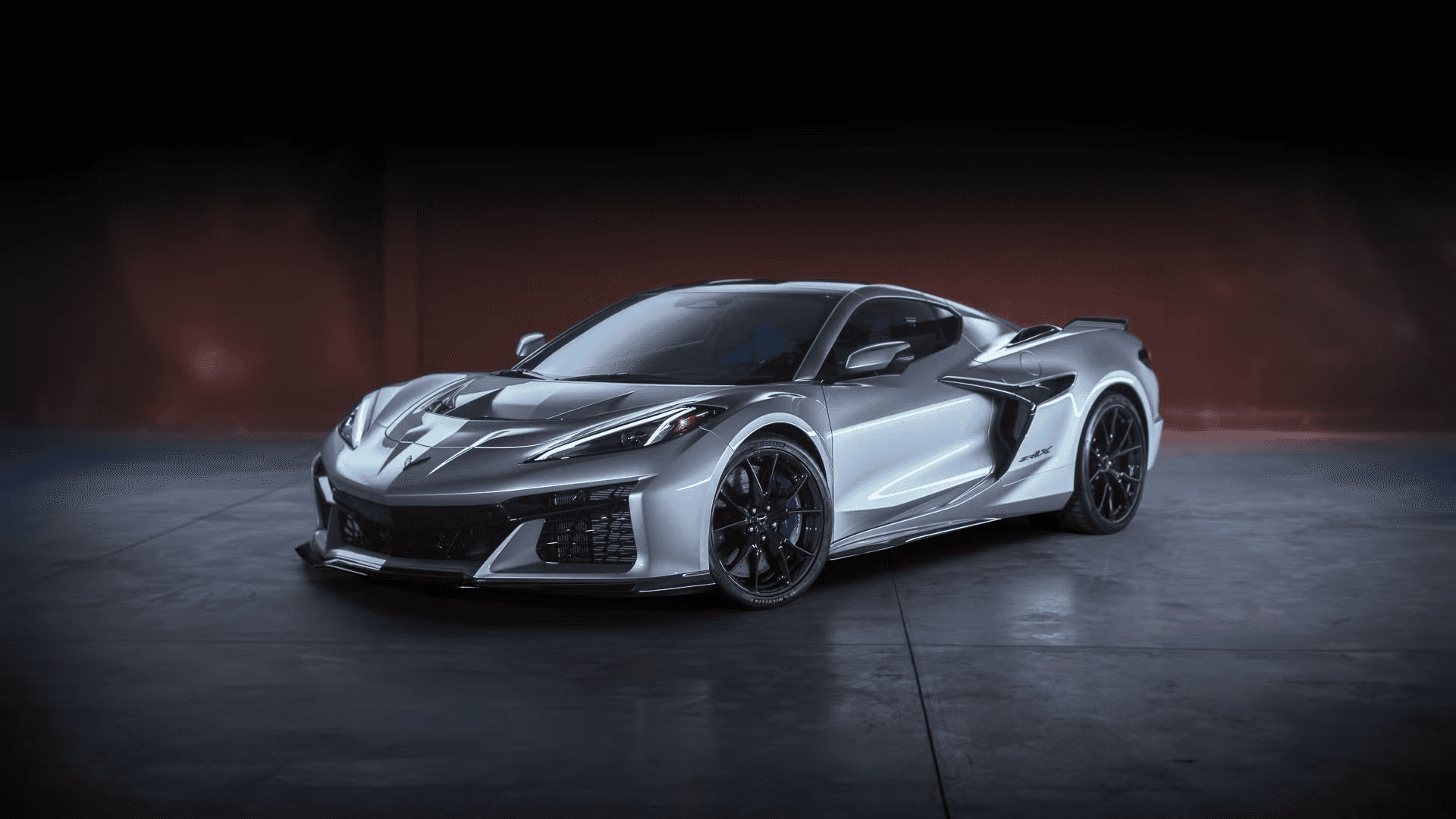
The 2026 Corvette variants integrate hybrid systems that pair internal combustion output with electric torque fill and regeneration strategies to enhance acceleration, responsiveness, and efficiency under varied driving loads. The hybrid architecture improves mid-range acceleration and throttle response by supplementing combustion power with instantaneous electric torque, which reduces turbo lag or torque dips and smooths power delivery during overtakes. Chassis and aero refinements accompany powertrain changes, preserving high-speed stability and cornering control even as additional electrical components are integrated. For drivers, the net effect is more usable performance in everyday driving and improved lap times or sprint metrics where applicable.
A focused feature list highlights why hybridization matters for performance buyers:
- Torque fill and instant response: Electric assist reduces perceived lag and strengthens midrange power.
- Regenerative support: Energy recovery during braking improves efficiency for mixed driving.
- Chassis tuning synergy: Suspension and aero calibrations are adapted to hybrid weight and torque distribution.
These performance innovations make the Corvette hybrids compelling for buyers who want both track-capable metrics and more efficient street driving, and the next subsection explains how the E-Ray’s hybrid design accomplishes these gains.
How Does the 2026 Corvette E-Ray’s Hybrid Powertrain Improve Speed and Efficiency?
The E-Ray’s hybrid system uses electric motors to supply immediate torque during acceleration while the combustion engine sustains higher-speed power, creating a complementary power delivery profile that favors both quick launches and sustained performance. Electric assist fills torque gaps at low RPMs and adds power for midrange acceleration, which improves passing maneuvers and on-ramp accelerations in daily driving. Regenerative braking recoups kinetic energy to recharge the battery during deceleration, improving mixed-cycle efficiency without sacrificing performance. Together, these mechanisms give drivers a more responsive throttle and better overall fuel economy in variable driving conditions.
This approach preserves the Corvette’s performance DNA while adapting it to modern efficiency expectations, making hybrid variants attractive to drivers who want high performance without the full compromises of a traditional high-displacement combustion setup.
What Makes the 2026 Corvette Zora and ZR1 Stand Out in Performance Innovation?
Top-tier Corvette models emphasize track-focused engineering priorities such as aerodynamic refinement, enhanced cooling systems, and chassis rigidity improvements that support high cornering loads and sustained high-speed operation. These variants typically pair advanced composite bodywork and tuned aero devices with chassis calibration that extracts maximum mechanical grip and braking performance. Powertrain engineering on these models focuses on consistent torque delivery and thermal stability to maintain performance during repeated high-load use. For drivers, these changes translate into sharper turn-in, higher sustained speeds on long straights, and more predictable behavior under aggressive driving.
This performance-oriented engineering separates the extreme Corvette variants from more balanced street-focused models, offering buyers choices that align with either track ambition or daily usability.
What New Features Define the 2026 Chevrolet Silverado’s Capability and Technology?
The 2026 Silverado family combines traditional pickup strengths with new electric-native capabilities to serve both commercial users and consumers who need towing, payload, and advanced convenience features. For ICE-powered Silverado 1500 variants, refined powertrains and trailering assist systems reduce setup complexity when hitching and towing, while the Silverado EV adds electric torque characteristics, a flat-floor cargo bed potential, and integrated software controls specifically for trailering tasks. Infotainment and ADAS upgrades across the lineup improve driver situational awareness and connectivity, making long hauls and jobsite visits less stressful. The result is a truck family that addresses conventional utility needs while extending EV advantages like instant torque and simplified drivetrain maintenance.
An introductory list outlines the Silverado’s standout capability and technology themes for buyers and businesses.
- Integrated trailering assists: Camera overlays and hitch guidance simplify trailer hookups and maneuvering.
- Electric-specific towing strategies: Regenerative braking and torque management enhance trailer control for EV variants.
- Advanced infotainment and ADAS integration: Large-format screens and driver-assist suites make towing and navigation easier.
These themes set the stage for a detailed comparison of Silverado variants and a closer look at trailering benefits for local businesses.
How Does the Silverado EV’s Trailering Technology Benefit Local Businesses?
The Silverado EV incorporates trailering technology that reduces time spent on setup and improves safety during backing and low-speed maneuvering with trailers. Integrated camera systems provide multi-view overlays that show the trailer, hitch, and surrounding obstacles, which simplifies alignment and reduces the need for a spotter in tight jobsite conditions. Electronic trailer controls and stability systems help manage trailer sway and weight distribution automatically, which increases confidence when transporting equipment or materials across short local routes and longer deliveries. For contractors and landscapers in the Plainfield area, these features convert into saved time, fewer mishaps, and more predictable daily operations.
These trailering advantages align with local business priorities and underscore why 2025 Chevrolet Silverado 2500 towing capacity can be practical working tools as well as clean-driving alternatives.
| Variant | Trailering Technology | Infotainment & ADAS |
|---|---|---|
| Silverado 1500 (ICE) | Integrated camera packages and trailer-assist guides for hitching | Large touchscreens with smartphone integration and available ADAS suites |
| Silverado EV | EV-optimized torque management and multi-view trailer cameras for alignment | High-bandwidth infotainment with vehicle-specific towing software and ADAS enhancements |
| Silverado (mixed configurations) | Towing support that varies by package and trim; electronic stability functions | Connectivity and driver aids that improve situational awareness during hauling |
This comparison highlights how the Silverado EV reframes towing through electric powertrain behavior and integrated software, while ICE models retain proven mechanical capabilities and trailering aids.
What Advanced Driver-Assistance and Infotainment Systems Are Included in the 2026 Silverado?
The 2026 Silverado lineup features a broad set of ADAS and infotainment upgrades that improve long-haul comfort and towing safety, including adaptive cruise control, lane-keep assist, automatic emergency braking, and multi-camera trailering displays. Infotainment has shifted toward larger, more responsive screens with wireless smartphone integration and over-the-air update capability to keep maps and feature sets current. Practical benefits include reduced driver fatigue on long routes, automated adjustments to maintain safe following distances, and simpler access to diagnostic and trailer calibration tools. These systems reduce cognitive load for drivers and provide tangible safety improvements for both solo drivers and fleet operators.
Buyers should consider ADAS packages when selecting trims, especially if towing or long-distance driving are frequent tasks, because the right configuration can markedly improve daily productivity and safety.
How Has the 2026 Chevrolet Equinox Been Redesigned for Performance and Technology?
The 2026 Equinox EV revisits the compact crossover segment with focused improvements in battery packaging, interior connectivity, and driver assistance that together make it more suitable for families and daily commuters. EV-specific packaging often increases usable cabin space and enables flatter floors for better cargo flexibility, while software-driven infotainment upgrades provide faster interfaces and improved smartphone integration. Safety and ADAS features are tuned for suburban and highway driving scenarios to assist parents, commuters, and multi-stop users. These changes aim to make the Equinox EV a comfortable and practical choice for drivers prioritizing efficiency, modern connectivity, and family-friendly ergonomics.
An introductory list summarizes key Equinox redesign priorities that matter to typical buyers.
- Optimized interior packaging: Better space utilization and cargo flexibility from EV architecture.
- Enhanced connectivity: Faster infotainment responses and improved smartphone integration.
- Family-focused comfort and safety: ADAS tuning and interior features aimed at everyday usability.
These priorities inform the Equinox’s target buyer profile and the practical considerations around range and charging that follow.
What Is the Range and Charging Time of the 2026 Equinox EV?
Range and charging behavior for the Equinox EV depend on battery configuration, trim, and driving conditions, with official estimates typically reported by the manufacturer and real-world results influenced by temperature, speed, and accessory use. Charging times vary by charger type: Level 2 home charging will generally take several hours to reach full state of charge, while DC fast charging can replenish a substantial portion of energy more quickly depending on the charger’s power and the vehicle’s thermal management. For Plainfield drivers, the practical advice is to plan around typical daily needs—most commuters will find routine charging at home or work adequate—while relying on DC fast-charging access for longer trips or rapid turnarounds.
This context helps buyers translate manufacturer range metrics into everyday expectations and charging strategies that match local driving patterns.
Which Interior and Connectivity Features Enhance the 2026 Equinox Experience?
The Equinox EV emphasizes a modern infotainment layout with responsive screens, wireless Apple CarPlay and Android Auto capability, and connectivity features that support seamless phone integration and navigation. Interior comfort improvements include configurable seating modes, practical storage solutions enabled by EV packaging, and climate controls that integrate energy-efficient settings to balance comfort and range. Over-the-air update capability allows feature additions and refinements after purchase, keeping the vehicle’s software current without dealer visits. These features combine to reduce driver distraction, enhance family comfort on routine trips, and provide flexibility for evolving app-based services.
- Responsive infotainment screens: Faster UI and clearer display of navigation and vehicle systems.
- Wireless smartphone integration: Native Apple CarPlay and Android Auto without cords for convenience.
- Improved interior ergonomics: Storage and seating designed around EV packaging to support everyday tasks.
These interior and connectivity improvements make the Equinox EV interior a compelling option for buyers who prioritize a modern cabin experience and practical daily usability.
How Does Chevrolet Integrate Advanced Safety and Driver-Assistance Systems in 2026 Models?
Chevrolet integrates advanced safety systems through a layered approach combining sensors, cameras, radar, and software to deliver features like adaptive cruise control, lane-keep assist, automatic emergency braking, and hands-free driving where map coverage permits. These systems function both independently and together to reduce collision risk, manage vehicle spacing, and reduce driver workload during long highway segments. Super Cruise represents Chevrolet’s hands-free highway driving offering, relying on driver monitoring and precise lane-level mapping to allow hands-free operation in supported areas. Mapping ADAS availability to models and explaining practical benefits helps buyers choose the systems that add the most value for their driving patterns.
An ordered list below outlines the principal ADAS components and their everyday benefits to drivers.
- Adaptive Cruise Control: Keeps speed and following distance consistent, reducing fatigue on long drives.
- Lane-Keep Assist: Helps maintain lane position when attentive steering input is needed.
- Automatic Emergency Braking: Intervenes to mitigate collisions when sudden obstacles appear.
These components combine to form a safety and convenience suite that improves driver confidence and reduces accident exposure in routine traffic conditions.
Our recent study evaluated driver engagement during automated lane changes, providing insights into how drivers interact with systems like Super Cruise.
Chevrolet Super Cruise: Innovations in Hands-Free Driver Assistance
ABSTRACT: This study evaluated a driver’s capacity to safely manage Super Cruise lane changes, encompassing both driver-initiated (Lane Change on Demand, LCoD) and system-initiated Automatic Lane Changes (ALC). Data were collected under naturalistic driving conditions on public roads in the Washington, D.C. metropolitan area. Twelve participants each utilized a Super Cruise-equipped study vehicle over a 10-day exposure period. Participants received instruction on Super Cruise operation, including system displays, activation and deactivation procedures, and methods for overriding the system. Across the study, participants encountered a total of 698 Super Cruise lane change attempts, comprising 510 Automatic Lane Changes and 188 Lane Change on Demand maneuvers. On average, participants experienced approximately 43 Automatic lane changes and 16 LCoD lane changes. Analyses characterized driver interactions during both LCoD and ALC maneuvers, investigating the degree to which drivers actively monitor the process and maintain engagement.
Do Drivers Pay Attention during Highway-Based Automated Lane Changes while Operating under Hands-Free Partially Automated Driving?, 2024
What Is Super Cruise and How Does It Enable Hands-Free Driving in 2026 Chevys?
Super Cruise is Chevrolet’s hands-free driving system for compatible highways that combines precise lane-level mapping, multi-modal sensors, and driver-monitoring cameras to permit hands-free control when conditions and map coverage allow. The system operates by continuously verifying the driver’s attention and the vehicle’s positioning relative to mapped lanes, enabling controlled steering and speed management without hands on the wheel within approved segments. Safety measures require the driver to remain ready to take over, and availability depends on mapped roadways and trim/package selection. Super Cruise’s utility is greatest on extended highway commutes where it reduces steering fatigue and improves consistency in long stretches of driving.
Research into advanced driver assistance systems, including those found in Cadillac vehicles, highlights the importance of understanding driver adaptation to automation.
Cadillac Super Cruise: Advanced Driver Assistance Systems in 2026 Chevrolet Vehicles
Driving automation features, in the form of advanced driver assistance systems (ADAS) capable of sustained control over longitudinal and lateral vehicle kinematics (SAE Level 2), are increasingly prevalent in consumer vehicles. Consequently, the study of driver behavioral adaptation and the impacts of automation is central to driving safety. This research employed real-world data to evaluate driver responses to automation-initiated disengagements by quantifying alterations in drivers’ moment-to-moment visual attention and vehicle control behaviors. Fourteen drivers (36% female) each operated a Cadillac CT6 for one month. This vehicle was equipped with a data acquisition system that recorded driving kinematics, mileage, automation usage, GPS data, and video of the driver and driving environment. Cadillac’s Super Cruise (SC) represents one of the most advanced commercially available partial automation systems, enabling hands-free driving when engaged, while continuously monitoring the driver’s head orientation.
Drivers’ Response to Automation Initiated Disengagement in Real-World Hands-Free Driving, P Gershon, 2023
Understanding Super Cruise’s limitations and operational prerequisites is key to safe and effective use, and the next subsection maps ADAS offerings across models to help buyers match features to their needs.
Which 2026 Chevrolet Models Include Enhanced Advanced Driver-Assistance Systems?
Chevrolet’s ADAS availability varies by model and trim, with many mainstream models offering core features like adaptive cruise and automatic emergency braking and higher trims or specific packages adding Super Cruise and expanded sensor suites. The following table maps common ADAS features to representative 2026 Chevrolet models in qualitative terms to help buyers identify likely availability and practicality.
| Model | Adaptive Cruise | Lane-Keep Assist | Super Cruise Availability |
|---|---|---|---|
| Equinox EV | Available on many trims | Standard or available depending on package | Available on compatible trims where mapping permits |
| Silverado (ICE & EV) | Available across many configurations | Offered with driver-assist packages | Available on select trims and configurations |
| Blazer EV / Other SUVs | Offered in higher trims | Often included in option packages | Select models support Super Cruise where enabled |
This mapping underscores that buyers should review trim and package details to confirm ADAS feature sets and choose car buying tips that align with commuting habits and safety preferences.
Webb Chevy Plainfield local support and next steps: To facilitate the sale of new and used Chevrolet vehicles, generate leads for sales and service, and provide comprehensive information and support for vehicle owners. Webb Chevy Plainfield supports EV buyers with inventory checks, guidance on charging resources, and certified service readiness for electrified and hybrid models; customers can inquire about test drives, financing options, or schedule service and maintenance directly with the dealership. For shoppers seeking assistance with financing applications or service appointments, dealer staff can explain available tools and walk through the next steps to get a vehicle ready for road use in the Plainfield area. These local services are intended to bridge model innovation with practical purchase and ownership support.
0 comment(s) so far on 2026 Chevrolet Innovations: How Chevy is Redefining Performance and Technology for Plainfield Drivers